Trailing Drawdown Explained: The Rule That Quietly Ends Accounts
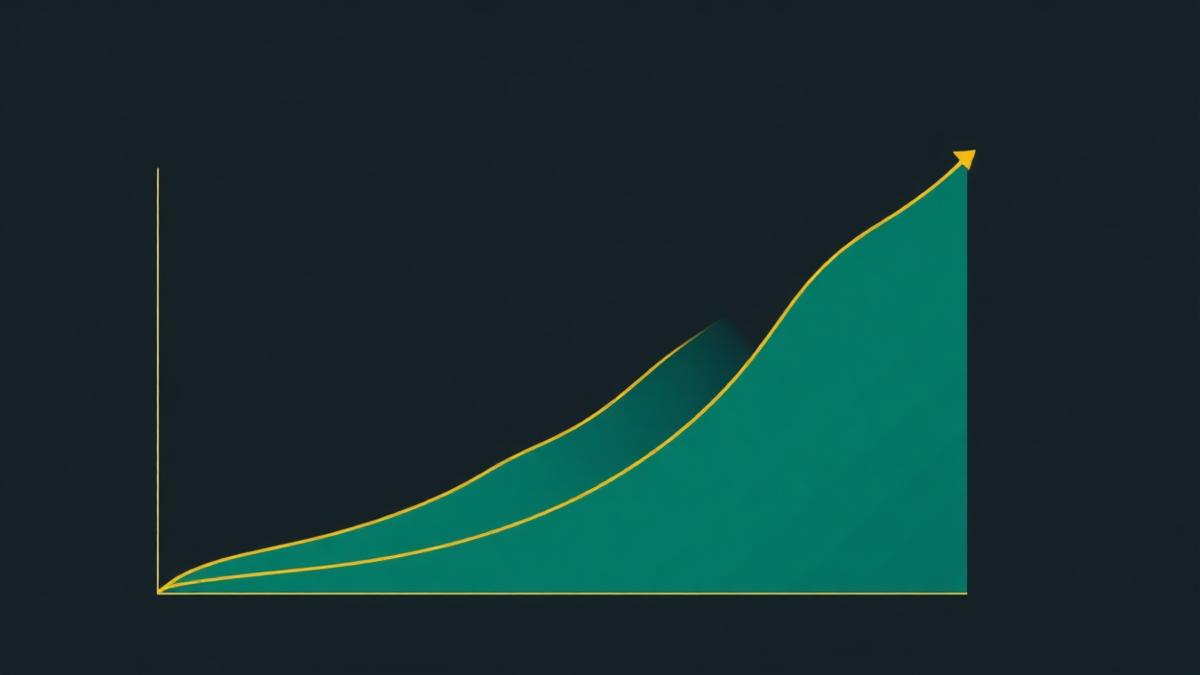
Two accounts with the same headline drawdown percentage can be completely different products. The difference is what the limit is measured against.
The three types
Static drawdown is fixed to the starting balance. Start at $100,000 with a 10% limit and your floor is $90,000 forever.
Trailing drawdown follows your highest balance or equity. Push the account to $105,000 and the floor moves to $95,000 — your buffer never grows.
Daily drawdown resets each session. It caps how much you can lose in one day, regardless of overall profit.
Why trailing catches people out
A trader takes the account to +$4,000, gives back $2,000, and is surprised the account is closer to failure than when they started flat. The floor moved up with the peak; the giveback ate a buffer they thought was profit.
How to trade under a trailing floor
- Bank partial profit rather than letting a big winner round-trip
- Treat your peak equity as the new baseline in your head
- Reduce size after a strong run — you have less room, not more
- Never scale up risk to "use" unrealised gains
The MixFunded setup
Our evaluations use a 3% maximum daily drawdown measured against equity, which means floating losses count in real time. That is stricter than a balance-based rule and deliberately so: it is the rule that reflects what actually happens to capital.
Your dashboard plots the drawdown line directly onto the equity curve, so the distance between your equity and the floor is visible instead of something you calculate under pressure.
The one habit that fixes it
Check your distance to the floor before every entry, in dollars. If a single stop-out would take you inside half of that distance, the position is too big. That check takes five seconds and prevents most rule breaches.